
As I have explained in two previous posts (HERE and HERE), in reflecting on a conversation I had with Marianne DeMello-Smith on her Message in the Middle Podcast (due to be posted in Mid-October), I have undertaken to write a series of posts that dive into key areas of our discussion.
This is the third article in what I believe will be a series of 5, total:
In my conversation with Marianne, we spent time unpacking how to handle complexity in our lives and work.
Marianne, drawing from her years of experience leading teams through major projects, pointed out how overwhelming it can feel when there’s no clear roadmap—when you’re faced with situations that are new, ambiguous, and constantly changing.
She asked, “How do you help people move forward when there isn’t a single right answer, and the ground keeps shifting?”
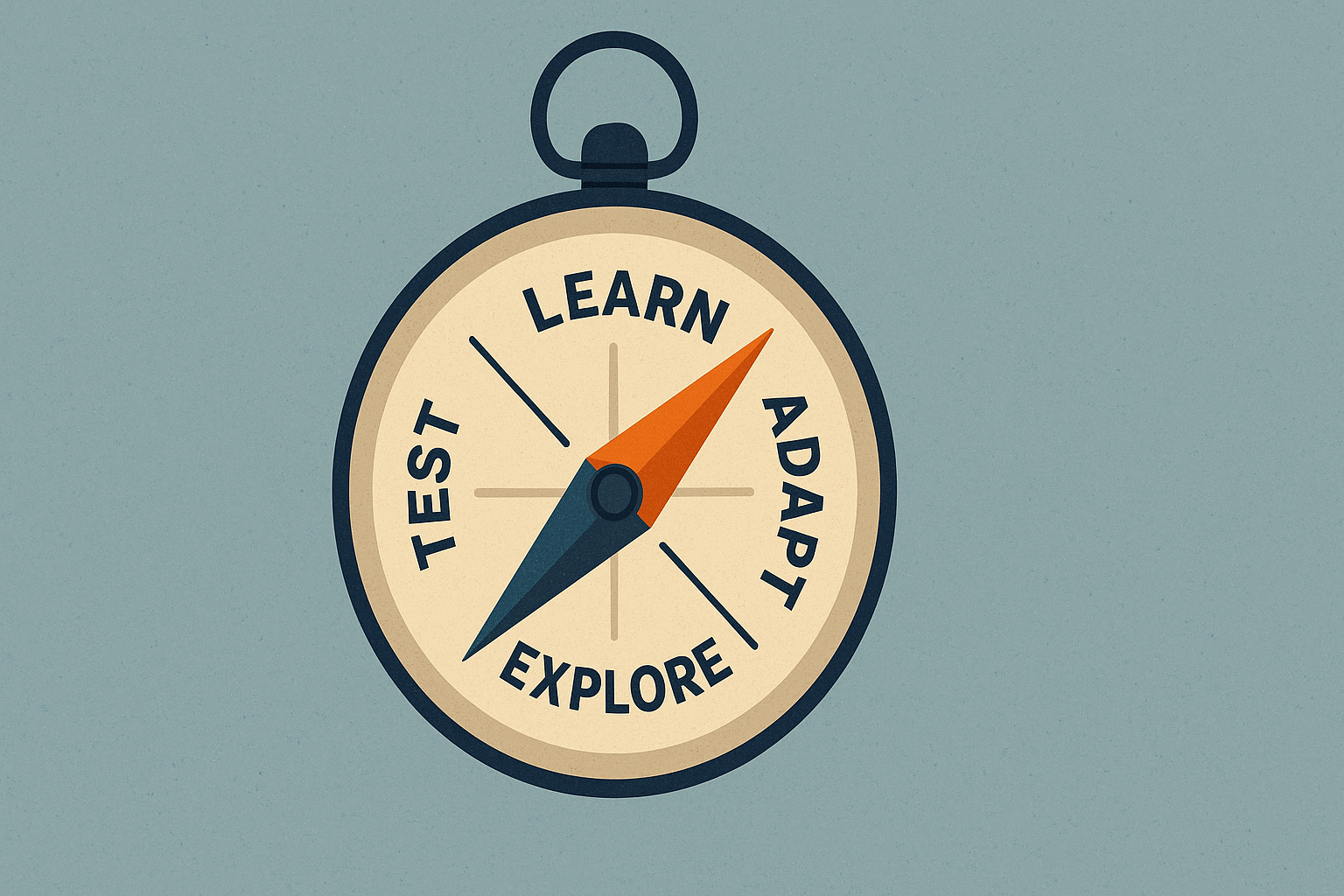
It’s a question that gets to the heart of what I call MindShifting. My response was that, in complex situations, sometimes the old rules don’t apply. You can’t simply analyze your way to certainty or wait for all the facts to line up. Instead, you need to experiment, stay curious, and treat every step as an opportunity to learn.
Marianne shared how, in her own leadership, she often encouraged her teams to try “safe-to-fail” experiments—small actions that wouldn’t cause harm if they didn’t work, but could reveal valuable information. I agreed wholeheartedly, emphasizing that in complexity, the goal isn’t to avoid mistakes, but to gather feedback.
When you try something new and it doesn’t go as planned, it’s not a failure—it’s data.
Here’s how you can apply this mindset to your own challenges:
- Start Small
- When facing a complex problem, break it down into manageable pieces. Try a small change, observe what happens, and adjust accordingly.
- Stay Curious
- Replace judgment with curiosity. Ask, “What did I learn from this?” rather than, “Why didn’t this work?”
- Iterate Quickly
- Don’t wait for the perfect plan. Take action, learn, and refine your approach as you go.
- Engage Others
- Complexity thrives on diverse perspectives. Invite others to share their ideas and insights, and be open to approaches you hadn’t considered.
Marianne noted that this approach requires a willingness to be uncomfortable—to live in the “gray area” where there are no guarantees. I agreed, adding that comfort with ambiguity is a skill anyone can develop.
It starts with letting go of the need for certainty and embracing the process of discovery.
If you’re ready to dive deeper into strategies for navigating complexity and building a more adaptable mindset, I encourage you to check out my book, MindShifting: Stop Your Brain from Sabotaging your Happiness and Success, available here: https://a.co/d/0B89hTJ.
Stay tuned for the next article, where I’ll explore the power of collaboration and self-awareness, drawing on more insights from my discussion with Marianne.

Leave a Reply