
The other day, I found myself in a situation that many of us know all too well. I was on a call, and before I knew it, the conversation had veered off track. The other party was being intentionally difficult. I felt that familiar tightening in my chest, my heart rate began to climb, and my internal “chatter” started screaming that the person on the other end was being intentionally difficult. In that moment, I wasn’t an author or a consultant; I was just a human being whose brain had decided I was under attack.
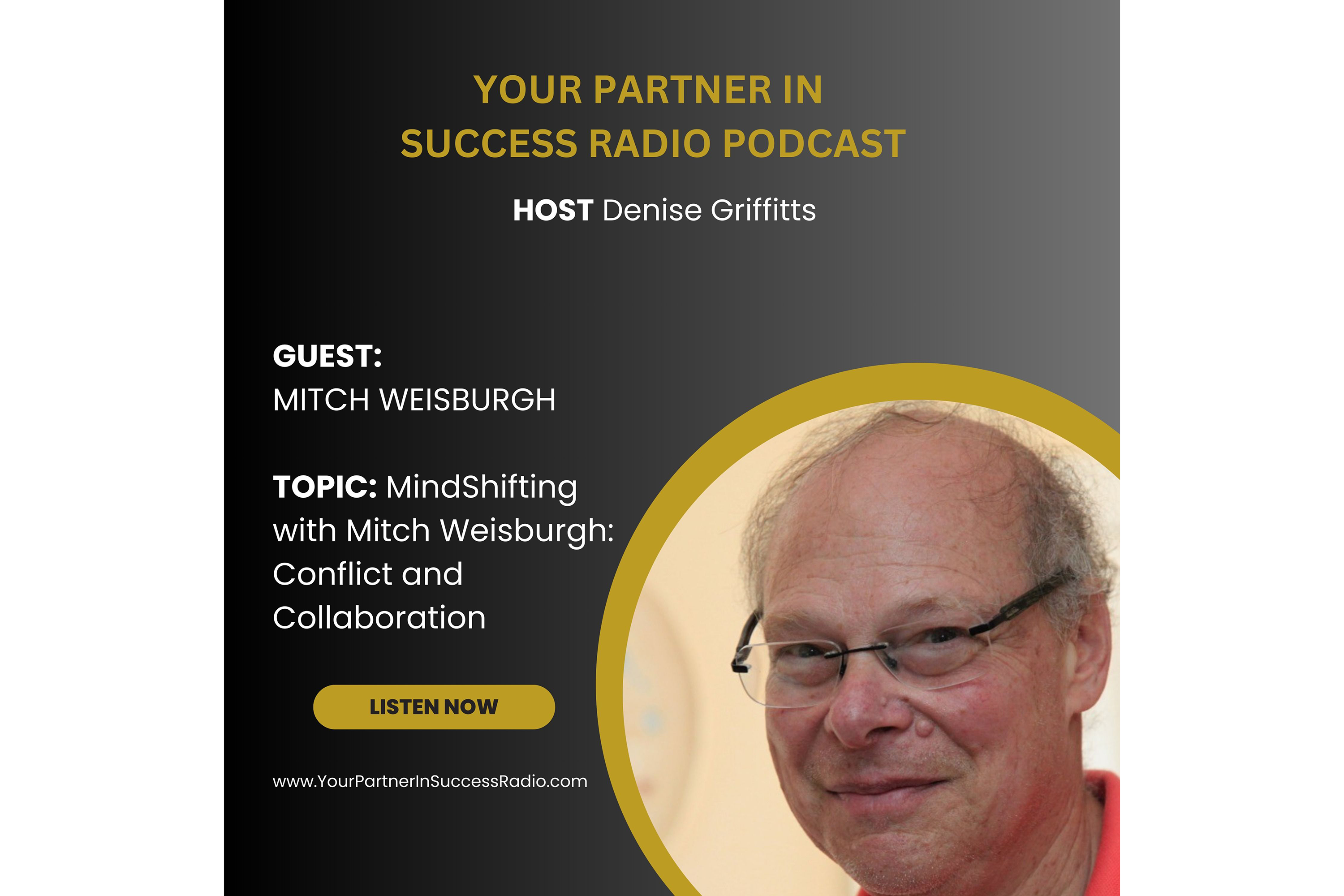
I recently had the pleasure of discussing these moments with Denise Griffitts on her podcast, Your Partner in Success Radio. As Denise aptly put it during our chat, “When we choose to shift our thinking, we open the door to better conversations, stronger relationships, and more creative solutions.” To get there, however, we have to understand what’s happening under the hood.
The Neuroscience of Conflict
When we perceive a threat—even a verbal one—our limbic system takes over. It floods our bodies with cortisol and adrenaline, prepping us for a “fight or flight” response. The problem is that while this was great for dodging sabertooth tigers, it’s terrible for modern collaboration. These chemicals effectively “downshift” our brains, sidelining the prefrontal cortex—the part responsible for logic, empathy, and innovation. We aren’t just angry; we are momentarily less capable of complex thought.
The Power of the Pause
This is where the “Power of the Pause” comes in. It’s the practice of metacognition—stepping back to observe your own thoughts. During the podcast, Denise noted that this framework “helps us pause before reacting and engage the more thoughtful part of our brain.” By taking just ten seconds to breathe or focus on a physical sensation, we give those stress hormones time to dissipate. This pause creates the space necessary to ask yourself: “Is what I’m about to say going to get me closer to my goal, or am I just trying to ‘win’ an argument?”
Questioning the Story
Once we’ve paused, we have to “Question the Story.” Our brains are meaning-making machines; if someone is late or dismissive, we immediately write a script about their character. We tell ourselves, “They don’t respect my time,” or “They are trying to undermine me.” In reality, these are just stories. When we challenge these narratives, we move from judgment to curiosity. Instead of “How do I beat them?” we start asking “What are they experiencing that makes them act this way?”
We can’t always avoid conflict, but we can change our biological and psychological response to it. You can listen to the rest of our deep dive into these concepts at Your Partner in Success Radio.
If you’re looking for more practical ways to navigate these waters, my book, MindShifting: Conflict and Collaboration, goes into many more real-world situations about influencing, coaching, motivating, and even how to argue without losing the relationship. Remember: the way we respond is always a choice.
How did I resolve that issue with the difficult person? I paused. I asked myself, is there a possibility that it’s me that’s being a bit difficult and not just her? I started asking her questions from a sense of curiosity instead of trying to win an argument. I still think she was more at fault than I was, but when I changed my own story, I was able to change the direction of the conversation.

Leave a Reply