I’ll never forget the first time I had to speak in front of a large audience on a topic that I was not prepared to address.
I was attending a conference when, without warning, the organizer asked me to jump in and speak on a topic with which he knew I was comfortable. I agreed. Then, as he introduced me to the audience, he ‘explained’ that I was expert in a completely different aspect of the discussion. I felt my heart start pounding. My hands were clammy. My mind started racing with thoughts like, “You’re not ready for this. You’re going to embarrass yourself. Everyone will see you freeze.”
In that instant, I wanted to hide under the table. Every instinct in my body screamed at me to avoid the spotlight, to say “No, I can’t do this,” or to simply disappear. (If you want the full story, I wrote about it in detail on my blog here.)
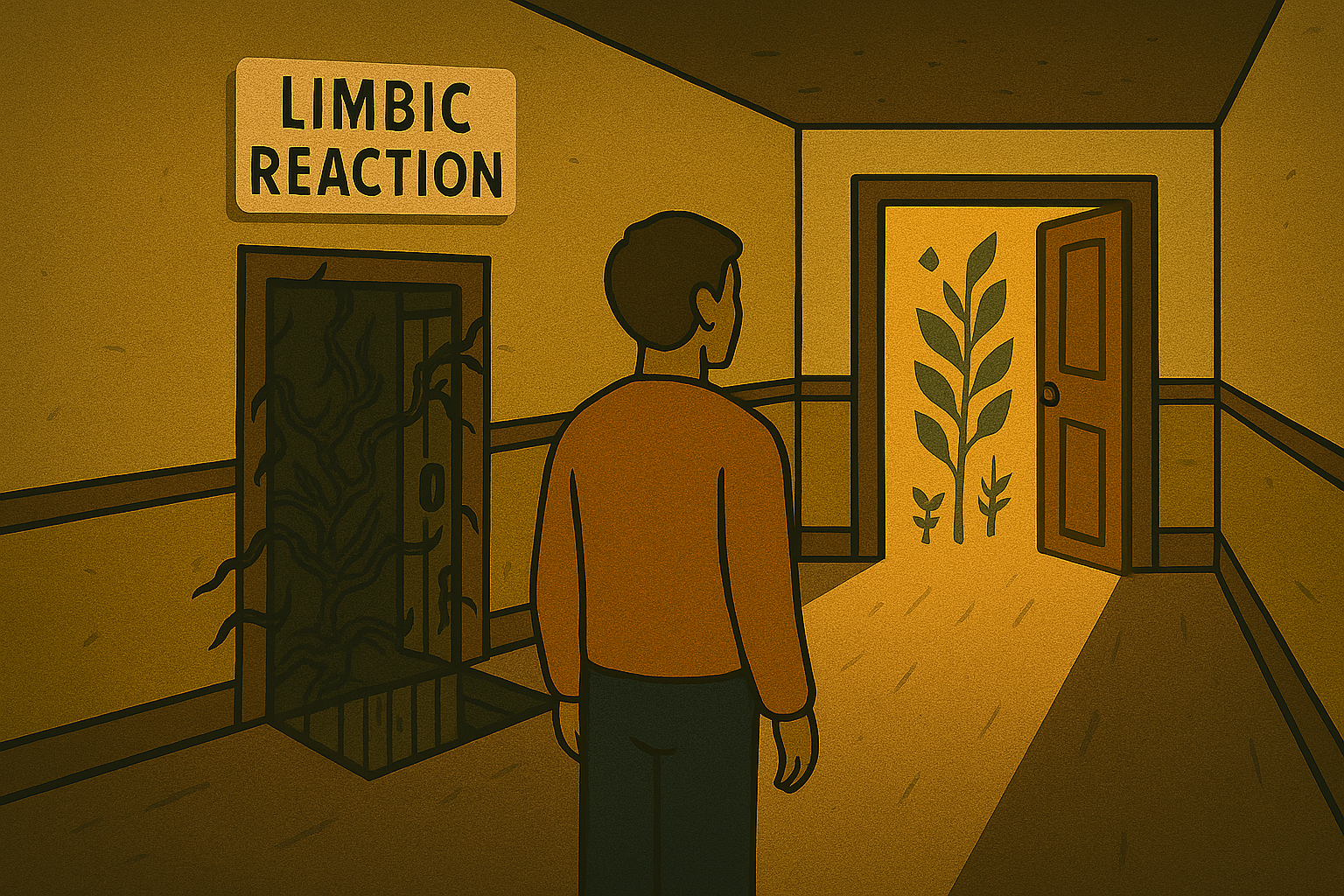
I was completely stuck—paralyzed by my own limbic reaction.
What I did next didn’t just help me that day—it became the heart of how I teach others to break free from their old scripts.
Why We Get Stuck (and What MindShifting Can Do About It)
We’ve all been there—caught in the grip of an intense reaction: fear, anxiety, panic. Maybe afterward we wonder why we couldn’t think more clearly or respond differently. It’s not a personal failing; it’s how the human brain is wired. MindShifting is about understanding these default settings, then learning simple but powerful tools to shift your reactions, unlock new possibilities, and bring your best self forward, especially when it matters most.
The Heart of the Lesson: Two Ways to Respond When Your Survival Brain Takes Over
A big lesson from Chapter 2 of the MindShifting: Stop Your Brain from Sabotaging Your Happiness and Success book is that our “survival brain”—the limbic system—doesn’t really know the difference between big dangers and minor mistakes. To your amygdala, everything that feels threatening is treated as a crisis. That’s why you (or others) can seem totally incapable of seeing new information or changing course, even when it seems obvious from the outside.
Maybe you’ve watched a colleague, student, or friend get stuck in a pattern that clearly isn’t working. Their mind shuts out new input, no matter how reasonable. The truth is, we all do this—our brains are wired to protect us, not to keep us creative or open-minded.
But here’s the good news: We’re not locked into our first, emotional reaction. We have two powerful ways to improve.
1. Train Your Brain with More Helpful Habits (“Heuristics”)
Think about learning to drive, cook, or dance. At first, every move requires conscious effort. But with repetition, your brain “records” the steps as habits you can use without thinking. The more useful habits (“heuristics”) you develop, the more flexible and skillful your automatic reactions become—even in stressful situations.
For example, when I first started learning rumba with my wife, I had to think about every foot placement. It took months for those moves to become automatic. Eventually, I could dance, listen to music, and have fun—all at once. The same is true for any skill, from public speaking to managing money: practice rewires your brain so you can respond more calmly and capably.
2. Recognize and Calm Your Emotional Brain
Sometimes, though, our default habits are working against us. The limbic system loves the familiar—even when it isn’t actually helping. That’s why self-awareness (metacognition) is so powerful. When you notice yourself reacting with the same old story (“I can’t,” “I’m bad at this,” or “They’re just wrong”), you have a chance to pause, question, and open the door to a new story.
A participant in one of my MindShifting classes, Mark, realized he was stuck in a routine as a baseball coach—same drills, same results. When he stopped to ask, “Could there be a better way?” he started mixing up practices, and his team’s improvement took off. Curiosity broke the old script.
The real takeaway?
You can use your higher-order brain (“Sage” thinking) to question your routines, catch your old stories, and consciously choose new ways of responding.
So, what happened that day I was put on the spot to speak?
In that moment of panic, I remembered what I’d practiced: I took a slow breath and reminded myself that I’d done hard things before. I drew on the small skills I’d built—starting with just saying hello, making eye contact, and focusing on my message rather than my fear. Bit by bit, I calmed my racing mind.
This gave me access to the critical and creative thinking parts of my brain, and I asked myself, “Okay, I’m not an expert on this topic, but I do know how to run a meeting. These attendees have problems and also expertise that I don’t have. What would make this session enjoyable and educational for all of us?” I found my words. It wasn’t perfect, but I didn’t freeze.
That’s the core of MindShifting: building new scripts through practice and learning to catch yourself in the moment, so you can choose a better response. If I could do it there, I believe anyone can start to do the same, no matter how stuck you feel. And with each experience, those new habits became easier to access
This Is Just One Piece of Chapter 2
Chapter 2 of MindShifting: Stop Your Brain from Sabotaging Your Happiness and Success is all about the scripts, stories, and habits that run our lives. It teaches you:
- Why your brain prefers familiar patterns (even when they aren’t working)
- How to build new, more helpful routines for handling stress and challenge
- Ways to become more self-aware so you can notice—and rewrite—the stories you tell yourself
- Practical tools for replacing old habits with new ones that serve your goals
If you’ve ever felt “stuck in your ways,” or wanted to help someone else shift, Chapter 2 will give you the understanding and tools you need to move forward.
Ready to explore more?
Dive into Chapter 2 and discover how to use your stories and scripts to unlock real change.
📘 Buy the book on Amazon
🌐 Visit MindShifting with Mitch
📬 Subscribe to the newsletter for weekly insights
Let’s keep shifting,
—Mitch
—
About MindShifting with Mitch Weisburgh
MindShifting is transforming how individuals, teams, and organizations unlock their full potential—whether in the classroom, the boardroom, or personal growth journeys. Developed by educator, author, and thought leader Mitch Weisburgh, MindShifting combines the latest insights from psychology, neuroscience, and practical experience to help people overcome barriers, shift mindsets, and achieve lasting results.
Through his writing, keynote talks, and engaging workshops, Mitch empowers educators, corporate teams, and life coaches to embrace new ways of thinking and problem-solving. His unique MindShifting framework provides practical tools for building resilience, resourcefulness, and collaborative skills that drive real-world change.
To continue your exploration of MindShifting, visit www.mindshiftingwithmitch.com.
SUBSCRIBE TO OUR NEWSLETTER:

Leave a Reply