
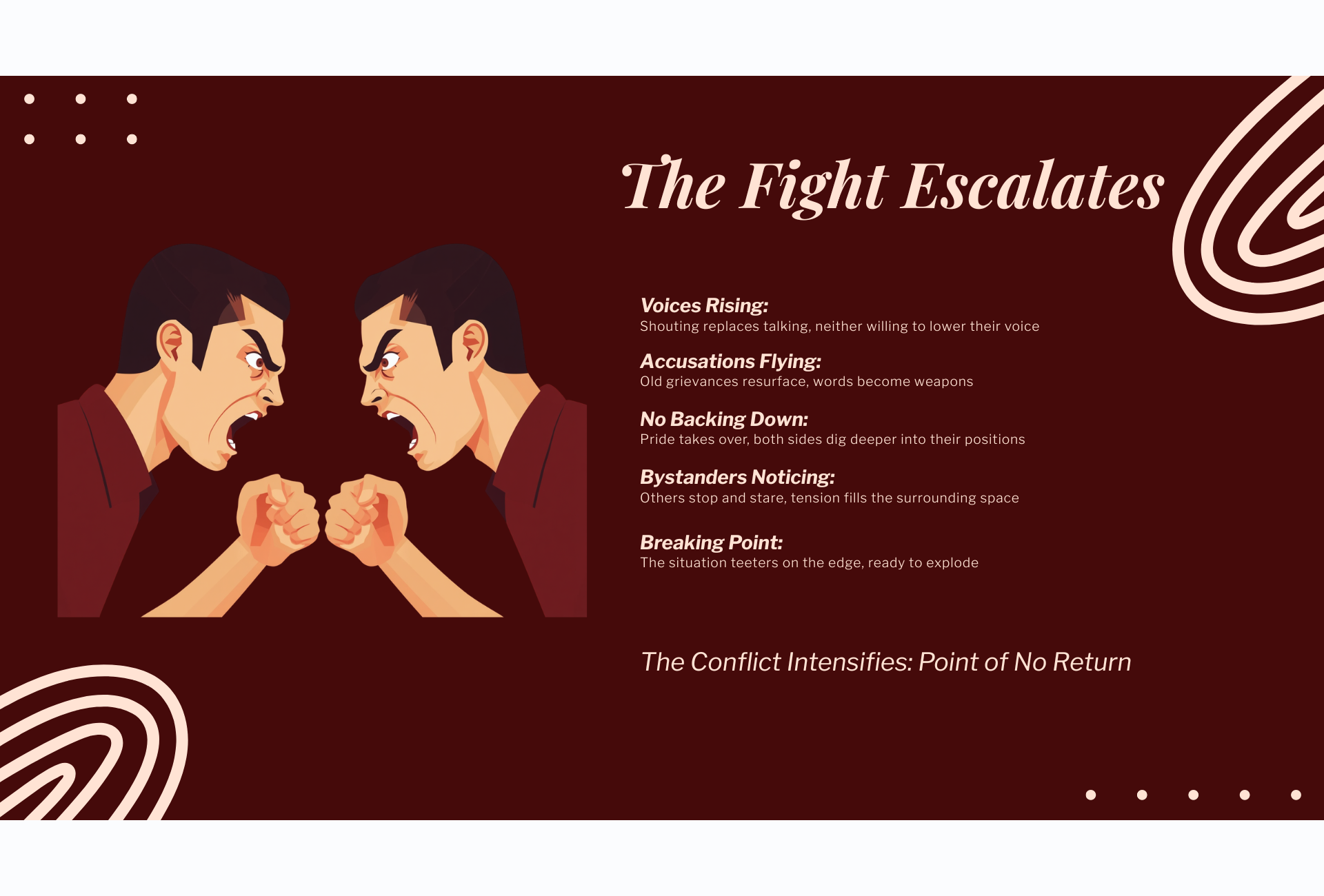
This post is about an argument between a person who was responsible for following the rules of the system (while also responding to requests) and two people who felt the rules were being interpreted in a way that were wrong and harmed them.
The incident didn’t take place in a school or in the education system, but it’s a common type of reaction, and the MindShifting lessons apply to any conflicts resulting from rule interpretation.
The Background
I had a tennis game on Sunday. Our courts are laid out four in a bank. Court 1 is the most desirable, Court 5 is second, and courts 4 and 8 also have the advantage of only having one neighboring court.
Courts 2, 3, 6, 7 and the “back” courts of 9-12 are considered undesirable.
One of the players had reserved our spot at 10:00 on Court 1.
Our club plays interclub matches, and the rule is that those matches start no earlier than 12:30. Evidently, the players for one of the matches asked for a time change to 10:00 and the team captain approved it and informed the tennis pro shop. Because it’s a match, they placed it on court 1 and we were moved to Court 3.
At the time, there was no one playing on Court 5 or Court 8, but we played between courts 2 and 4 which were in use, so we dealt with their errant balls, not many, but a few in the middle of points, requiring us to stop, retrieve the ball, and restart the point.
The weather was pretty perfect for playing.
Preparing for the battle
During the 90 minutes we played, two of the players (let’s call them Mike and Jim) got each other worked up about the stupidity and inequity of the situation.
- It was against policy for league matches to occur before 12:30. The pro-shop should have refused the request.
- Even if they agreed to the request, the match could have been moved to a back court, members who reserve should get priority.
- With so many other free courts, we should have been moved to a better court, not one in the middle.
- Didn’t anyone have any common sense.
- This was so typical of how things were badly run.
- The people at the pro shop do nothing to support members, they are really only concerned with the money they make from members.
- And the merchandise sold in the shop was overpriced, proving they did not like members.
How many times do insular small groups reinforce negative emotions and stereotypes, which then inflame fights? Parents complaining about a school or teacher, teachers complaining about a policy, kids complaining about adults?
Of course, I could have said something. I didn’t.
How often do we notice people getting worked up but we say nothing? Group pressures, especially the fear of being publicly criticized when going against the flow of what might even be a collective illusion, is so pernicious. That’s why it gets a whole chapter in the Conflict and Collaboration book.
The battle
After we walked off the court, Mike walked into the clubhouse. He first brought up the stupidity we’d faced with the woman who worked behind the counter. As his voice rose, the tennis director came out front.
Each statement from Mike got met with a reason why it had occurred.
- “We shouldn’t have been moved.” “When the team captain says to schedule a match, we comply. If you want to change that policy, make your case to the sports committee.”
- “You should have looked at the open courts and moved us to a better court” “We are trying to juggle 12 courts, we moved you to the closest available court”
- “You can talk to any of the four of us, you’ve got four really upset members about the way you handled this.” “We are often faced with two difficult possibilities, but if you want to change any policies, there is a mechanism for you to contact the head of the sports committee.”
Oh, and by the way, this time I did say something, “There might have been three upset members, but I didn’t mind. We played our full game, we got to be outside, we exercised, and we had fun.” Mike’s response was, “That’s beside the point, we never should have been on that court.”
At this point, Mike walked out of the shop and talked to Jim. “They won’t listen to me, but maybe if you say the same things they will be forced to listen and do something.”
Jim walked in and the same conflict pattern repeated. I’d like to break here without repeating that conversation.
The lessons about conflicts, groups, and organizations
Did you notice the way the tennis director responded?
He met objection with objection. Both parties were in survival fight/flight mode. Both parties were intent on winning. Both used the Compete style directed from their limbic brain (Chapter 4 of the Conflict and Collaboration book).
Isn’t that what so often happens in these interactions? How was that working for either party?
I guess the tennis director “won” in the sense that he didn’t back down and was able to cite a reason for each complaint. Or maybe the complainer(s) won, because they were able to justify that the system was dysfunctional and would never change, but they’d done their part.
Bottom line: nothing about the situation or future situations improved. That’s what happens too often.
What could the tennis players have done?
One of the powers of the resourceful mindset is to align your mindset, actions, and words with your values. In resourceful mind, you would focus that there were four people who got to play tennis on a perfect day for 90 minutes with people they liked. Isn’t that better than so many of the other things that happened to others? We didn’t get arrested. We weren’t sick. We didn’t have to do a mind numbing job. We got to play tennis.
But our survival brains look for and focus on problems. They build win/lose conditions and raise our emotions to the point where we do and say things that really don’t align with who we want to be.
The tennis players could have taken a step back and thought about a) what went well, and b) what they might have wanted to take place next time to make it even better.
What could the tennis director have done?
The tennis director was reacting, not responding.
Instead of answering each question with a reason, the director could have followed the path of the free MindShifting 30-Second Conflict De-Escalator:
- Pause and ask yourself about the outcome you desire
- Ask questions to establish rapport and build common ground
- End with the goals of connecting and collaborating
The guide is designed to be your “emergency brake” for those moments when what could be a simple discussion might become a high-stakes battle. Instead of reacting defensively, you and your team can use the guide’s nine specific phrases to build rapport and shift the energy from “I want this, you want that” to “let’s solve this issue.”
We could all use these lessons to diffuse fights and achieve goals.

Leave a Reply