
Banishing Panic and Magical Thinking
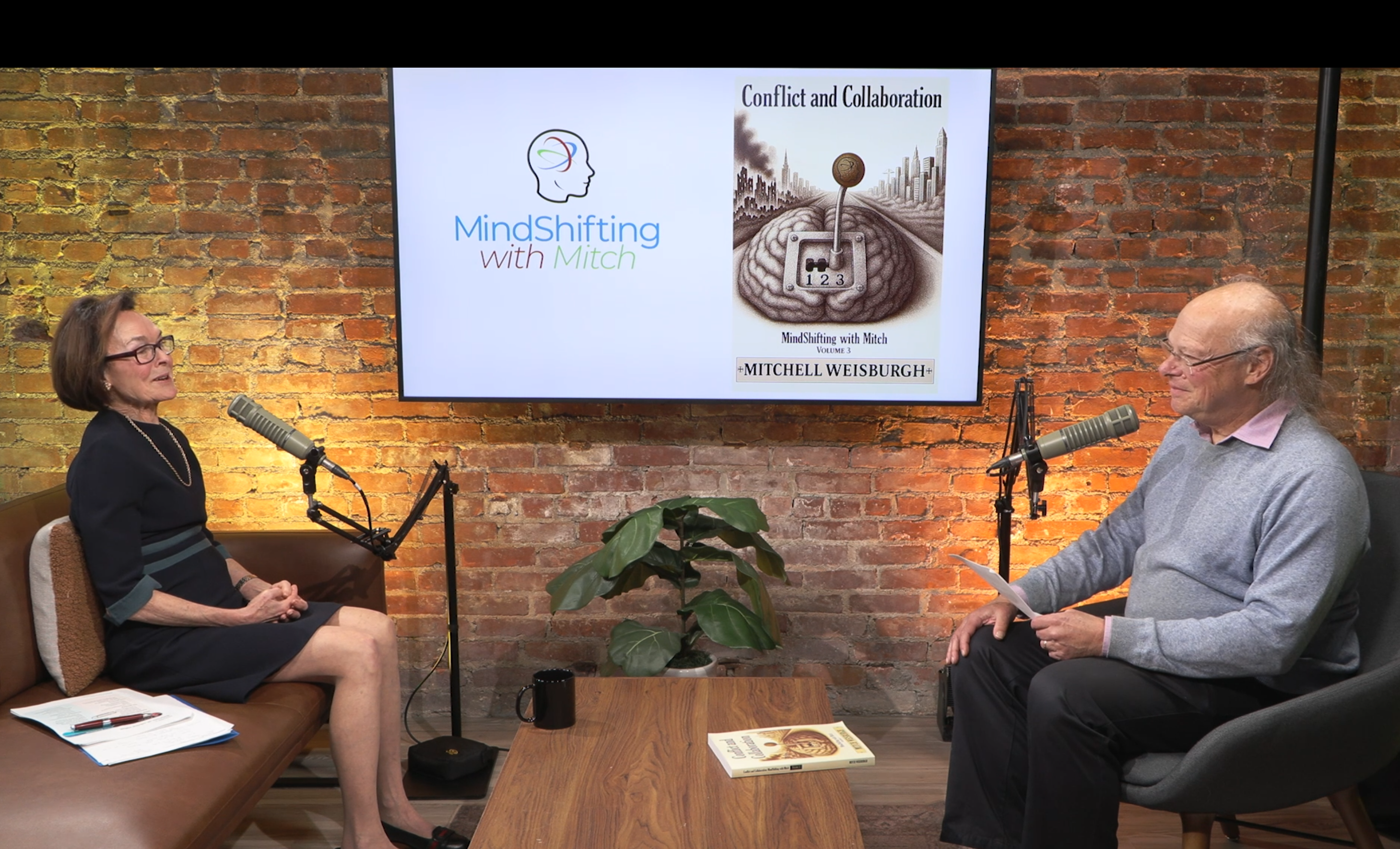
On MindShifting with Mitch on LMC Media, my mission is to talk with local people about what they’ve accomplished—and to uncover the mindsets and sensemaking behind their challenges and successes. Each conversation asks: How do they prepare themselves and those around them to overcome challenges and succeed? And what mindshifts can the rest of us learn from?
In this episode, I talk with Marian White, a Certified Financial Planner with Birchfield Partners, about how ordinary people can build real financial security—not through luck, but through mindset, habits, and planning.
Marian spends her days helping busy, intelligent people get their financial lives under control so they can stop worrying and start living. As she put it:
“We like to be comprehensive in that our goal… they want to know that things are under control… and it’s just been an honor to be building this career.”
This interview fits perfectly with the MindShifting mission: taking something that usually feels confusing and stressful—money—and reframing it through better thinking and better systems.
Ordinary Wealth vs. the Headlines
In our conversation, we explore how misleading financial “success” stories can be.
I joked:
“I just always thought that all you had to do was invest in cryptocurrency or start a tech firm and you’re going to be a billionaire.”
Marian reminds us that for ordinary people, the path is different. It’s about realistic goals, good decisions over time, and planning for the fact that “stuff happens.”
That’s a core mindshift:
- From lottery-thinking to probability-thinking
- From hoping for a miracle to building ordinary wealth on purpose
Turning Good Financial Actions into Habits and Automation
A big piece of Marian’s sensemaking is recognizing that willpower is limited:
“What we like to do is really to create habits so that they don’t have to think… if you have to think about every dollar… it’s just going to drive you nuts.”
Instead of constant decision fatigue, she emphasizes:
- Emergency reserves so surprises don’t become crises
- Automatic contributions for:
- Home down payments
- College (529 plans)
- Retirement accounts
This is classic mindshifting: changing the system you live in so the “right” behaviors happen with less effort.
From “Money = Stress” to “Money = Planned Tool”
Many people live with a quiet storyline that money = anxiety, shame, or confusion. Marian’s work is about rewriting that story—turning money into a planned tool that supports your real priorities.
She talked about peace of mind:
“To us, peace of mind means that we’re accountable to them… we meet with them twice a year… we’re on the lookout… just they’re too busy to be aware of that, but it’s part of helping them be successful.”
One powerful example she shared: parents who started 529 plans when their kids were born. When college came:
- Other parents were asking, “How are you getting your loan?”
- Her clients didn’t need loans.
That’s not luck. It’s long-term sensemaking plus intentional mindshifts about the future.
Mindshifting Questions About Money
Here are some questions, inspired by our conversation, that you can use to examine your own money mindset:
1. Headlines vs. Reality
- Am I secretly hoping for a “lottery win” (startup, crypto, miracle) instead of building realistic habits?
- If my life follows the path of the 99%, am I planning for that or for the 1% fantasy?
2. Future-Self Focus
- What do I want my life to look like in 10–20 years, and what would my future self thank me for starting this year?
- If I keep doing exactly what I’m doing with money, where am I likely to end up?
3. Emergency Buffers
- If “stuff happens” in the next 6–12 months, how many weeks or months could I cover without panic?
- What small, specific step could I take this month toward an emergency reserve?
4. Habits and Automation
- Which money decisions exhaust me because I’m re‑deciding them every week or month?
- What could I automate (savings, debt payments, retirement contributions) so I don’t have to rely on willpower?
5. Values vs. Spending
- What are the 3–5 things that are truly most important to me (e.g., security, family, travel, freedom, impact)?
- When I look at where my money actually goes, what doesn’t match those priorities?
- What one expense could I reduce or redirect that would clearly move me closer to what I say I value?
6. Risk and Emotions
- How do I typically react when markets go down or money feels tight?
- Do my investment choices match my real emotional tolerance for risk, or just what I think I “should” be able to handle?
7. Support and Accountability
- Who could play the role of a neutral coach (not a “policeman”) to help me think clearly about money?
- What kind of support would give me the most peace of mind—information, structure, emotional reassurance, or all three?
Where to Find Marian White
If what Marian shared resonates with you and you’d like to explore working with a comprehensive financial planner and coach, you can reach her at:
- Firm: Birchfield Partners
- Email: MWhite at BirchfieldLLC dot com
And if you want to see how real people in our community think through their challenges and transform their mindsets, I invite you to watch or listen to this MindShifting with Mitch episode on LMC Media featuring Marian White.
You don’t need a miracle. You need better sensemaking, better habits, and a clear plan.

Leave a Reply