This first MindShifting Monday with Mitch of 2026 is a little different, because instead of just talking about MindShifting, I invited my good friend Josh to step into a live challenge with me and let everyone watch what happens when the “rules” suddenly change on you, using a classic psychology exercise called the Wisconsin Card Matching Test.
Josh was actually the person who first pushed me to start MindShifting Mondays, and he has now joined me for a number of these conversations.
In this session, he agreed—without asking for any details—to be my “guinea pig” and play the game live, bringing his openness, humor, and entrepreneurial spirit to the experience.
The Game and Why I Used It
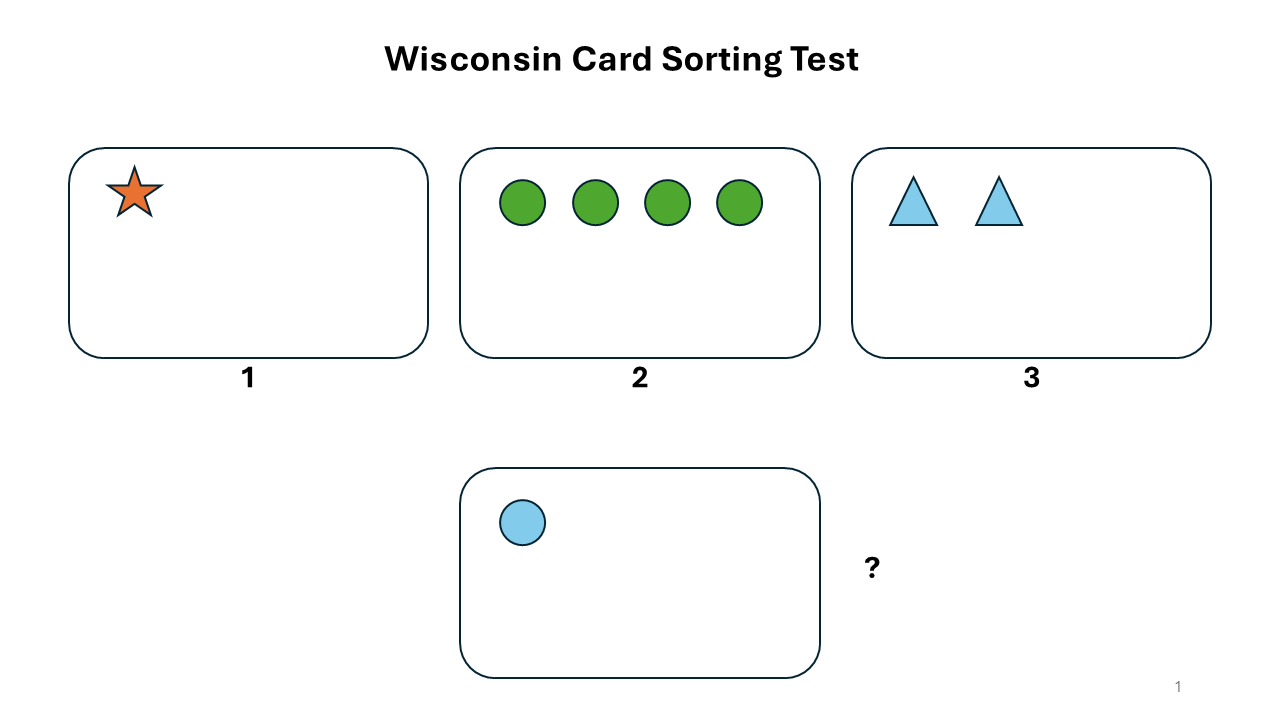
Here’s how the game works: three cards appear on top, one card appears on the bottom. Each card contains a different number of colored shapes (Ex: three red circles, two green triangles, etc….) and the subject’s job is to say which of the three top cards the bottom card “belongs with.” Each round has the subject offer their best guess at the ‘rule.’ If they are ‘correct,’ they move to the next set. If they are ‘wrong,’ they must guess again, until they are told they got the correct answer.
At first, there really is a clear (but unspoken) rule (match by color, shape or number), but partway through the tester secretly changes the rule, so what worked a moment ago suddenly stops working—just like in real life, where student populations change, algorithms update, markets shift, or team dynamics evolve without giving us a memo.
What This Reveals About Mindshifting
What generally occurs is that once a rule seems to work, the subject locks onto it, stops scanning for alternatives, and feels confused or even “hoodwinked” when it no longer holds.
In life, when something important (a sale, a lesson, a performance review) seems to hang in the balance, that confusion easily turns into pressure, blame, and self‑judgment, which actually makes us less resourceful, less creative, and less able to think clearly.
Mindshifting is about catching that reaction, stepping back into a calmer, more curious and playful frame, and treating each “wrong” as feedback about a changing situation instead of a verdict on our value or competence.
From there, better questions become available: “What changed? What might be different about this class, this person, this team, this algorithm—and what can I try next?”
How This Became My Own Mindshifting Practice
What you won’t see in a neat graphic, but you will see on my face, is that the exercise itself did not go the way I had imagined.
I expected the game to naturally trigger Josh’s critical thinking: spot a rule, lean into it. Then when the rule changed, Josh’s limbic mind would rise, and Josh would have been challenged to recognize this and switch to his resourceful brain. But my explanation to Josh was deficient, as Josh approached the game as one of chance, just guessing instead of reasoning out the rule.
As a result, all the lessons I’d wanted to explain about the challenge became moot. Josh wasn’t invested in any rule. He wasn’t at all frustrated by the rule changing. He didn’t need to rearrange his thinking or quiet his negative emotions when his solution didn’t work. It was just a matter of guessing wrong, no reflection on his prowess, critical thinking, or resourcefulness.
In that moment, I had a choice: I could silently blame Josh for “not doing it right,” blame myself for designing a bad demonstration, or blame the exercise and scrap it.
Or—I could do my own mindshifting, notice my disappointment, calm down, and ask,
- What is this teaching me about how I framed the game, and how can I explain it differently next time so people know they’re supposed to be looking for a rule?
- What lesson can viewers of this video learn from this whole process?
Watch the video and watch me squirm and reorient myself.
That reframe turned the session into a live example of the very thing I was trying to teach: instead of getting stuck in judgment, I used the unexpected outcome as feedback for improving the way I design experiences and communicate with guests and audiences.
No matter who you are or what are doing, in life, the rules are going to change on you again and again.
- Social media platforms change their algorithms
- Buyers change their decision making criteria
- Bosses change their priorities
- Coworkers change their motivations
- Children become resistant to reasons, incentives, or punishments,that used to work
The question is not whether you can freeze the rules in place, but whether you can notice your reactions, return to curiosity, and keep using each surprise as a chance to become more resourceful for yourself and others—and that is exactly what this episode is about, both in intention and in result.
I invite you to watch the full MindShifting Monday with Mitch session embedded below, and experience the challenge alongside Josh and me, and to join me every Monday at 4pm EST (live) and 7pm EST (replay) for fun and engaging discussions, where we learn together.

Leave a Reply