MindShifting Lessons from the Social Chameleon Show
Recently, I had the privilege of sitting down with Tyson Gaylord on his Social Chameleon Show podcast to talk about something that impacts every one of us: how we respond when challenges, stress, or disagreements threaten our sense of certainty and control.
The conversation was engaging, wide-ranging, and (true to Tyson’s style) honest and practical. We explored MindShifting, the framework at the center of my work, and took a deep dive into how we can break free from survival thinking and transform conflict from an obstacle into a catalyst for growth.
Why MindShifting?
Let’s face it: Our brains are brilliantly designed for survival. When something feels threatening—whether it’s a looming deadline, a contentious meeting, or an unexpected disagreement—we snap into a kind of mental autopilot, what I call survival mode.
Our options suddenly narrow down: fight, flight, freeze, or appease. In this state, new ideas and collaborative possibilities get drowned out by a noisy, ancient set of instincts.
But survival mode isn’t where our best work or where our strongest relationships are forged.
MindShifting is all about learning to recognize when we’re stuck in those automatic patterns and having the tools to shift into what I call the resourceful mind. It’s in this space of curiosity and openness that we find clarity, creativity, and resilience.
A Conversation that Matters
Speaking with Tyson, I was reminded how important it is to share these ideas—not as abstract theory, but as tools every one of us can use, every day.
Tyson brings a commitment to both vulnerability and practical change to his work, making this interview one of my favorites in recent memory. If you haven’t yet, I encourage you to listen with curiosity and a willingness to see conflict through a new lens.
Seeing Conflict as a Gateway, Not a Roadblock
One of the most impactful parts of our conversation was about conflict itself. Too often, we see conflict as something to fear, avoid, or quickly “win”—an unpleasant detour from our real objectives. Traditional responses tend to fall into five patterns: compete, accommodate, avoid, compromise, and, at our best, collaborate.
Here’s the twist: Conflict is not just a problem to solve, but an opportunity to engage with what truly matters—to ourselves and to others. MindShifting helps us pause long enough to get curious about what’s really at stake beneath the surface. Is this friction pointing to an unmet need, a deeply held value, or a potential breakthrough?
The OODA Loop: Navigating Tough Moments
In the interview, I shared one of my favorite MindShifting tools: the OODA Loop, which stands for Observe, Orient, Decide, Act. It’s a way of looking at problems not as linear equations to “solve,” but as dynamic processes to learn from. Especially in conflict, the OODA Loop reminds us to:
- Pause and truly observe what’s happening (and how we’re feeling).
- Orient ourselves by considering multiple perspectives, not just our default reaction.
- Decide on a course of action that serves our values as well as our immediate needs.
- Act, but with the humility to circle back and adapt as things evolve.
It’s in this iterative, curious mindset that lasting solutions—and deep trust—are born.
From “I Can’t” to “Perhaps I Can”
Often, what keeps us stuck in conflict isn’t the other person—it’s our own story about what is or isn’t possible. That’s why I encourage a gentler form of self-talk: instead of “I can’t do this,” try “Perhaps I can…” The simple act of opening the door, even a crack, to new possibilities is at the heart of MindShifting.
Weekly Practice: The Certainty Challenge
Near the end of the episode, I suggested a weekly practice: Notice something in your life or work that you feel absolutely certain about, especially when that certainty hardens during conflict. Pause. Ask yourself, “What else might be true here? How might someone else view this moment?” This isn’t about undermining your beliefs. It is about MindShifting from rigidity to resilience.
Building a Toolbox for Change
Tyson and I also discussed techniques like motivational interviewing, strengths-based feedback, and nonviolent communication—all resources that help create the psychological safety needed for MindShifting. When we feel safe enough to question our autopilot responses, especially in conflict, we become both more humble and more powerful.
MindShifting in the Age of AI
We touched on how technology and AI are offering new tools for learning and conflict resolution, but with a clear-eyed warning: only by remaining mindful and human-first can we ensure these tools serve growth rather than amplify bias or division. MindShifting, at its heart, is about conscious choice.
Spotlight: Conflict and Collaboration—A New Resource
If these ideas resonate, I’m especially excited to share my upcoming book, Conflict and Collaboration, which dives even deeper into the art and science of turning disagreement into connection and possibility. The book is packed with real-world examples, frameworks, and exercises to help you apply MindShifting to your toughest conversations—at work, at home, and in your community.
Resources for Your Journey
As you explore these ideas, check out www.MindShiftingwithMitch.blog for ongoing articles, practices, and community discussion. And, of course, my first book, MindShifting: Stop Your Brain from Sabotaging Your Happiness and Success, offers a foundational look at the framework we discussed on the show.
One Last Thought
Conflict will always be part of life. The question is whether we allow it to shrink our world or let it become the springboard for our greatest learning and collaboration.
My sincere thanks to Tyson and the Social Chameleon Show for creating space for this vital conversation. I hope you’ll join me in seeing conflict not as something to fear, but as a doorway to a more resilient, resourceful, and connected life.
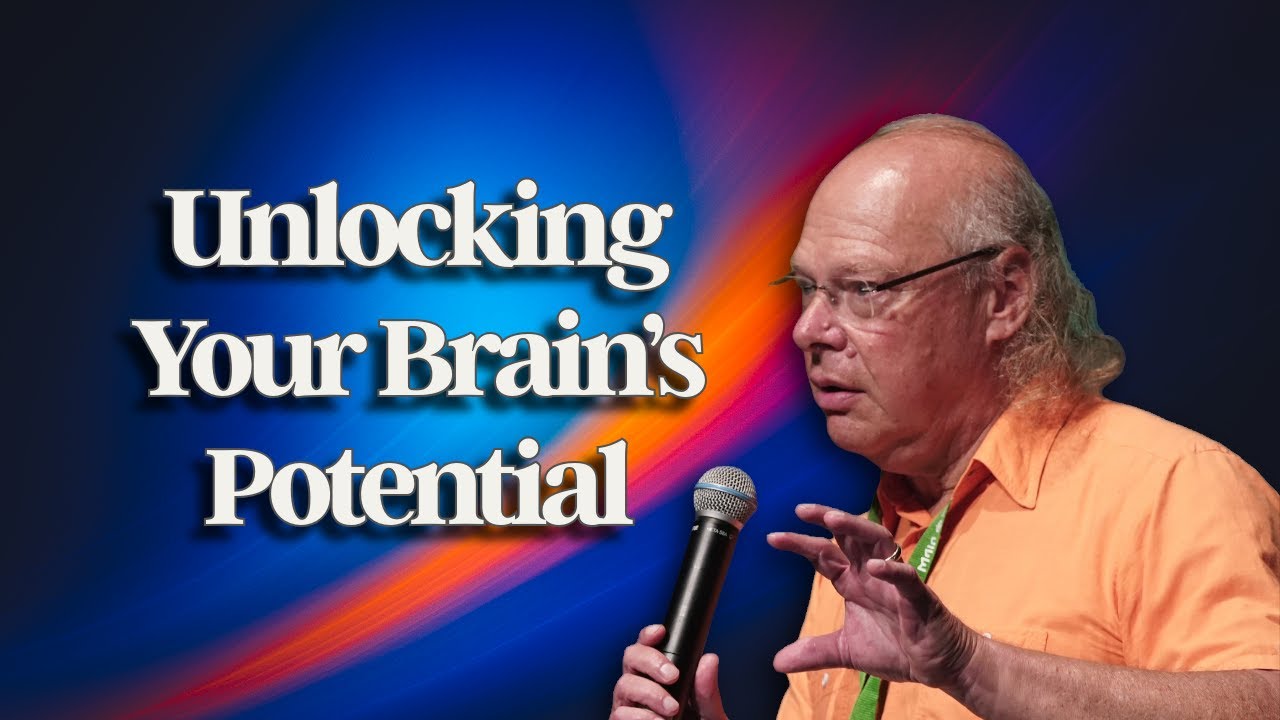
Watch the entire conversation, below, and check out Tyson’s full description and notes related to the episode HERE.


Leave a Reply